A beginner area
Look for a learning zone, accessible slopes and suitable lifts. A run that looks easy on the map may feel harder in different conditions.
Start building your stay to see your trip summary here.
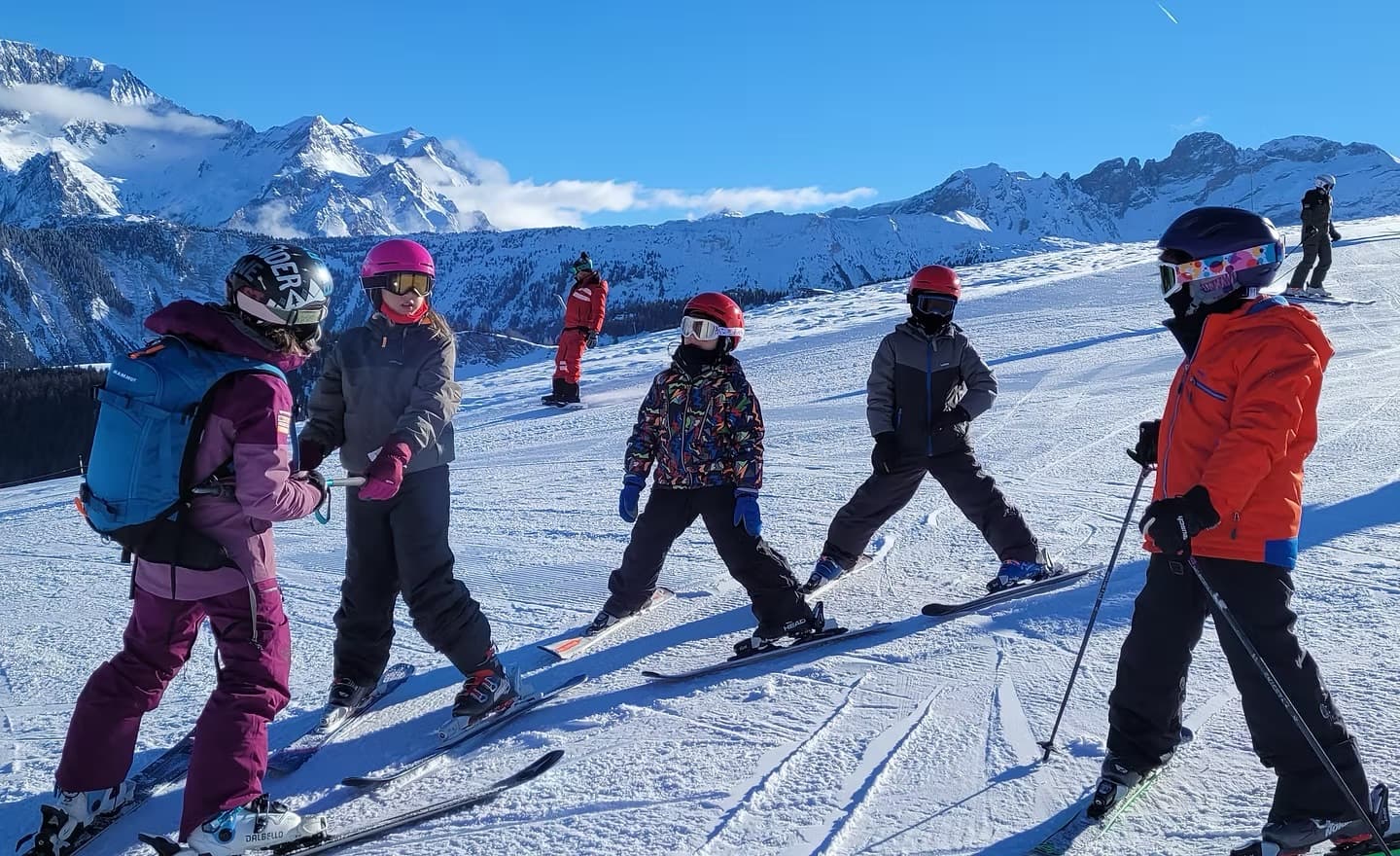
First time in snow
You do not need to know every rule of skiing. The right destination, a lesson, suitable equipment and a few clear landmarks are enough to start with confidence.
Understand before you leave. Progress at your own pace once you arrive.
No unnecessary anxiety
Which resort to choose, what to wear, how to rent equipment and when to arrange lessons are normal questions on a first trip.
Snow Trip organizes those decisions into simple steps and keeps human confirmation wherever the choice depends on availability or local context.
01
Choose the right starting point
Snow Trip's former guide already focused on these four landmarks. We have reorganized them to help you compare without jargon.
Look for a learning zone, accessible slopes and suitable lifts. A run that looks easy on the map may feel harder in different conditions.
Distance from the slopes, shuttle stops and lesson meeting point matters, especially with ski boots, equipment or young children.
An instructor helps you discover the equipment, posture, first movements and slope rules in a suitable area.
Anticipate the transfer, opening hours, equipment collection and meeting point so that everything is not decided on the first morning.
02
Dressing for the mountain
Rather than relying on one very heavy garment, a layering system helps adjust comfort throughout the day.
Worn close to the body, it should help manage moisture during activity.
Adds warmth and can be adjusted according to the cold and the level of activity.
Helps protect from wind and snow. Gloves, suitable socks and protection for eyes and skin are also part of preparation.
What you rent, what you carry
The choice depends on the activity, ability and body shape. The rental shop should check boots, bindings and settings before you head onto the slopes.
Skis, boots and poles form the usual set. Length and settings depend in particular on height, weight and ability.
Board and boots are adjusted to body shape, stance and ability. A lesson helps introduce its specific movements.
Helmet · Goggles or glasses · Gloves · Suitable socks · Neck warmer · Sun protection · Lip balm
Conditions vary with altitude, weather and activity. Follow local guidance and consult a health professional for personal recommendations.
03
The first day
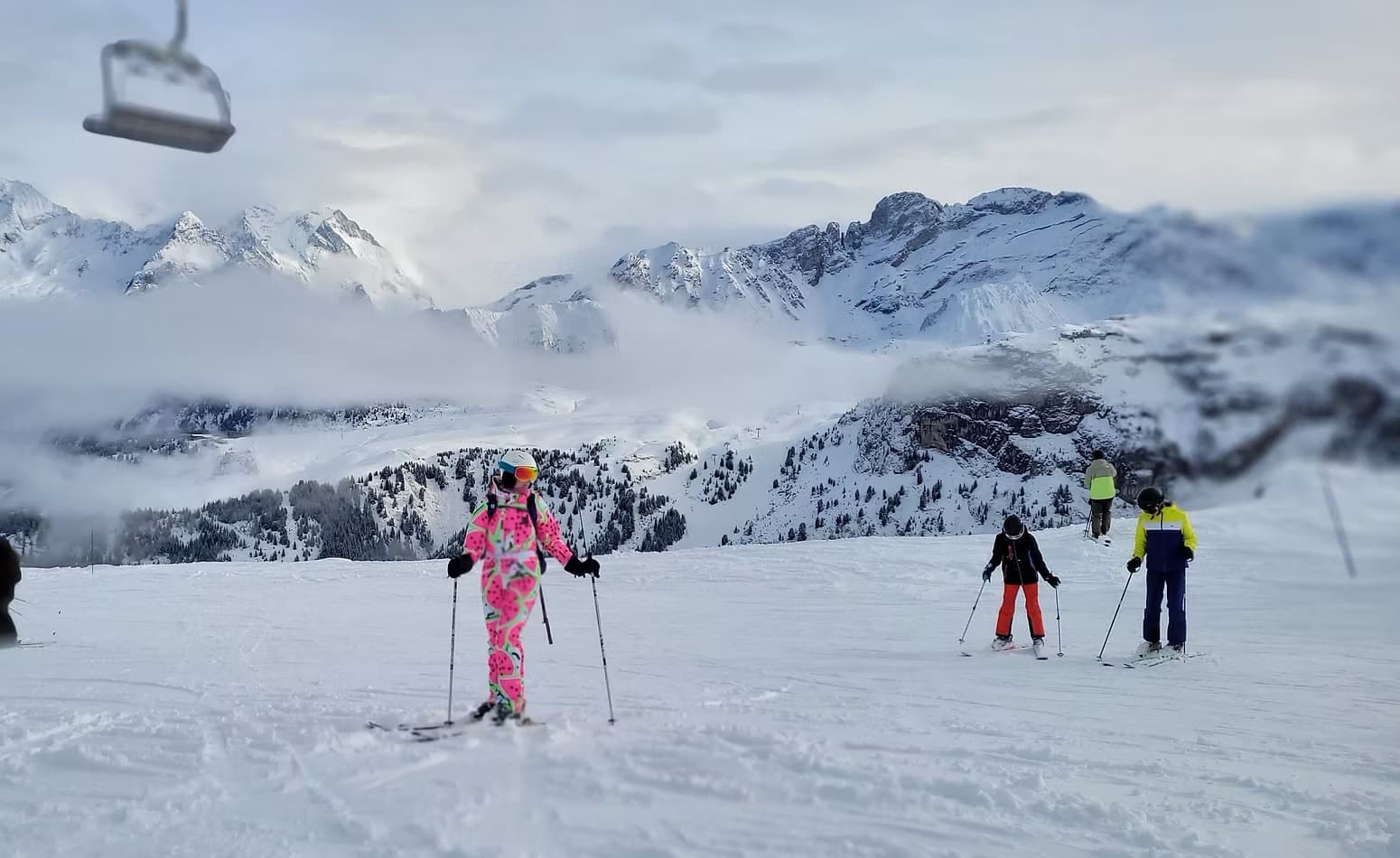
Have each participant's details ready and allow time for the necessary adjustments.
A lesson suited to the level helps introduce the first movements and piste rules.
Check the map, opening status, signs and conditions before moving to another sector.
Read the mountain
In France, marked slopes are graded from green to black. Weather, visibility, snow and traffic can still change how difficult they feel.
The most accessible level in the French grading system, often used to find your first bearings.
An easy run, but not necessarily suitable for a very first descent in every set of conditions.
A difficult run that already requires control of your direction and speed.
The most demanding level among marked and graded slopes in France.
Check the official map, live opening status and signs before setting off. At lifts, get ready in advance, follow instructions and clear the arrival area promptly.
04
The slope is shared
These principles do not replace local instructions, but they provide a simple basis for moving among other skiers and snowboarders.
Behave in a way that does not endanger anyone and leave enough space around you.
Adapt speed to your ability, the terrain, visibility, snow and traffic.
The person coming from above must choose a route that protects those further down the slope.
Avoid narrow or hidden areas. After a fall, clear the run as soon as possible when safe.
Respect signs, help in an accident and identify yourself when required.
Your first trip starts here
Snow Trip helps prepare the stay before departure and remains a human point of contact for coordinating needs during the trip.